
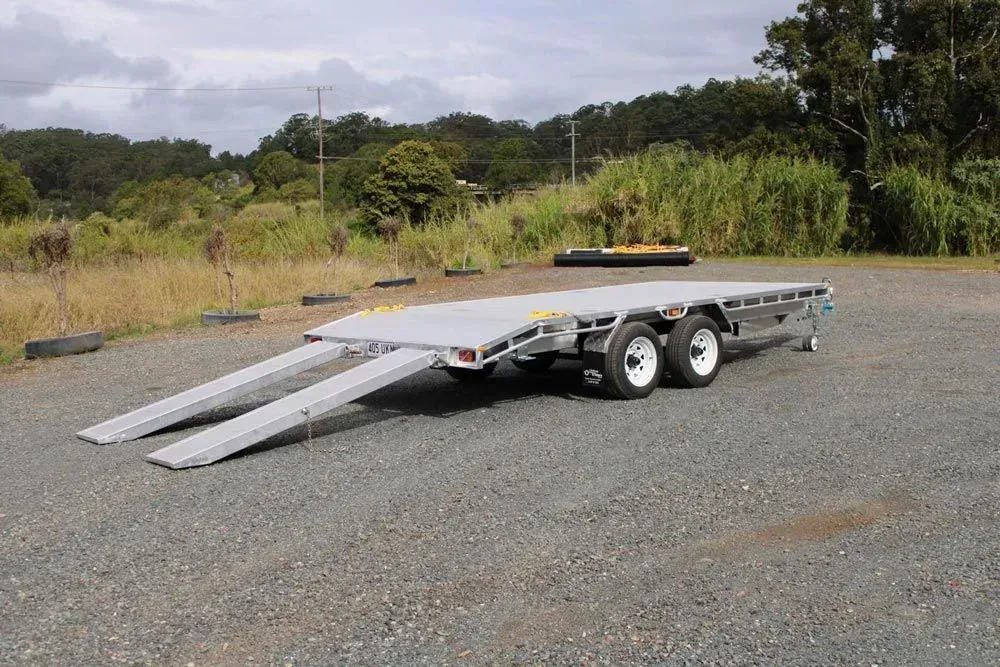
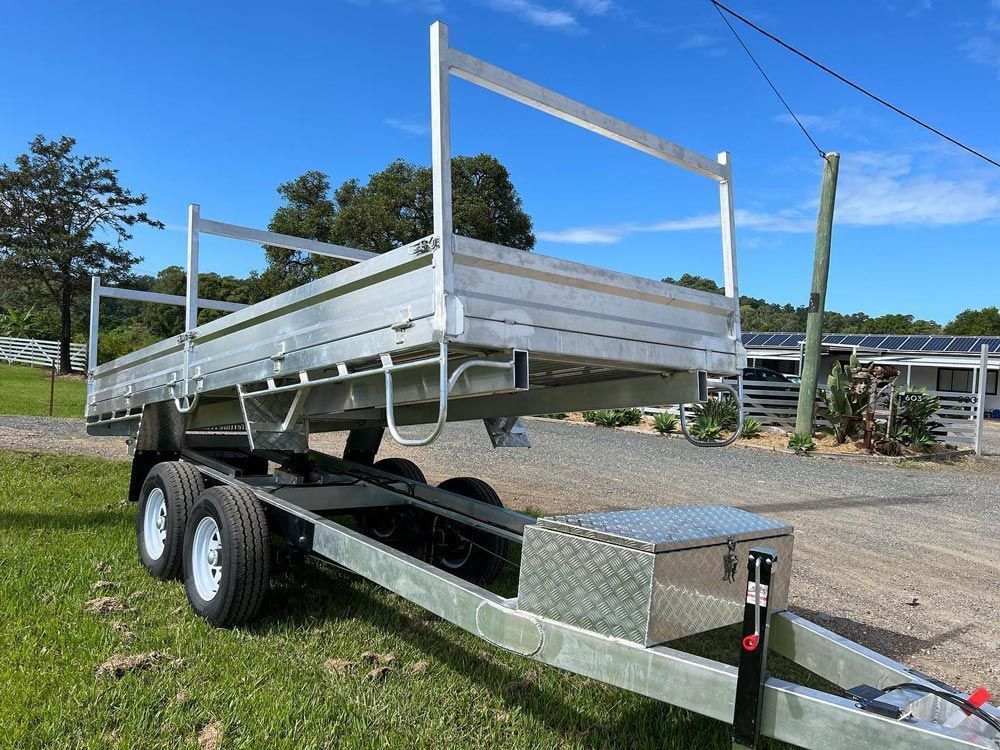
Ensure your surf club trailer has the essential trailer components. Discover the top 5 trailer features for the best surf trailers—read more!

Explore the pros & cons of custom boat trailers with Lifetime Trailers. Discover the perfect trailer for your boat & enjoy hassle-free transportation.
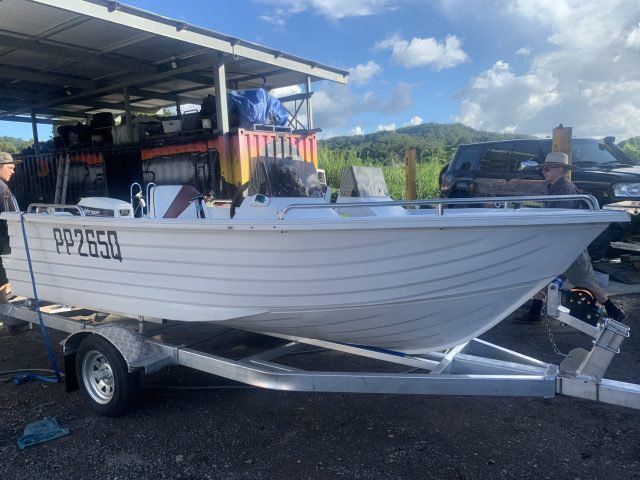
Upgrade your boat trailer with essential tips on load capacity, materials & safety features. Ensure durability, enhance safety & evaluate costs effectively.

Unlock space in your trailer home. Discover tiny living solutions. Explore aluminum trailers on the Sunshine Coast today. Contact us today!
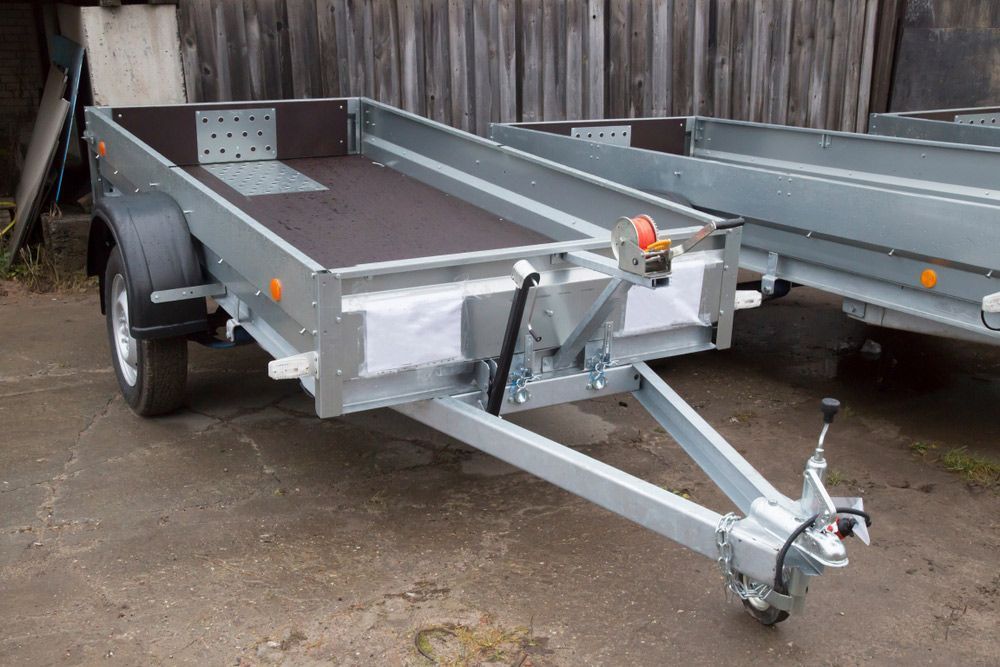
Discover the ultimate guide to caring for your aluminium trailer. Keep it in top condition for years to come. Learn more!
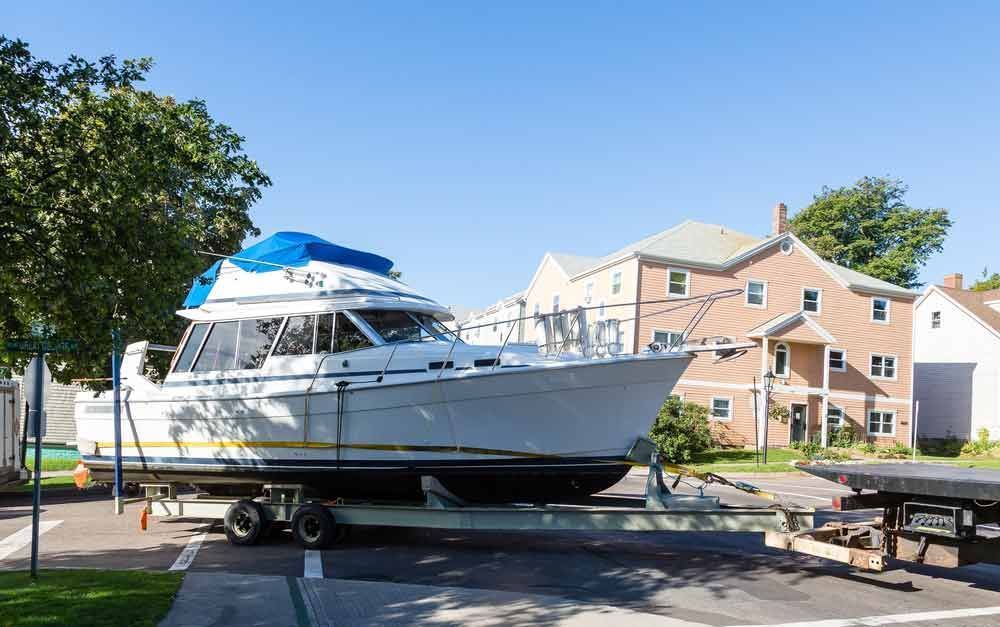
Let's explore this guide about purchasing your first boat trailer, aimed at making the experience as smooth as the calm waters you seek to explore.
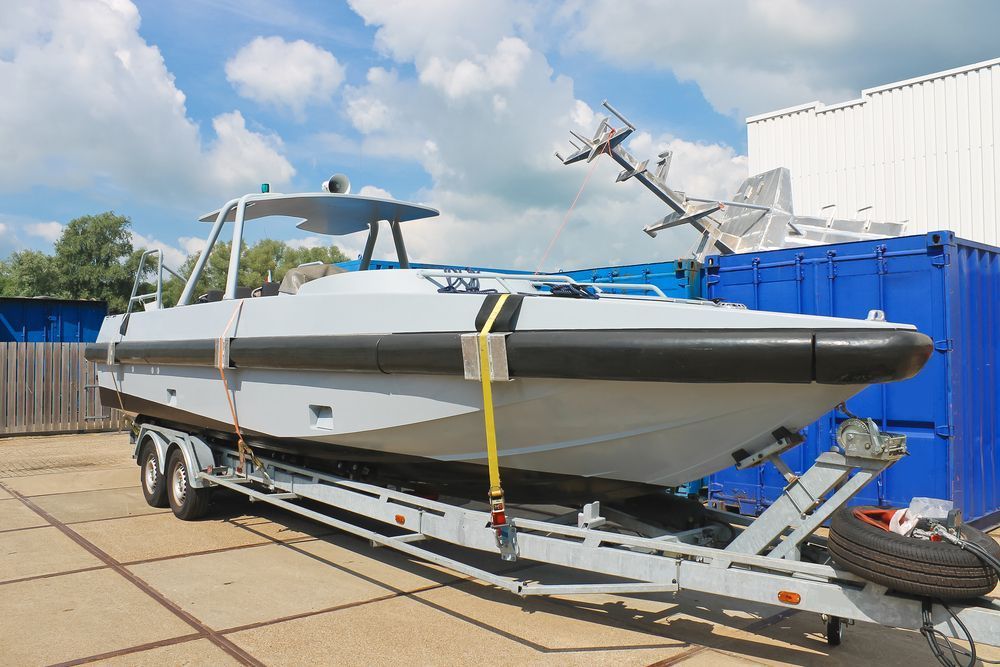
Explore the benefits of bespoke boat trailers. Tailor-made for your vessel, designed for your peace of mind. Learn more now!
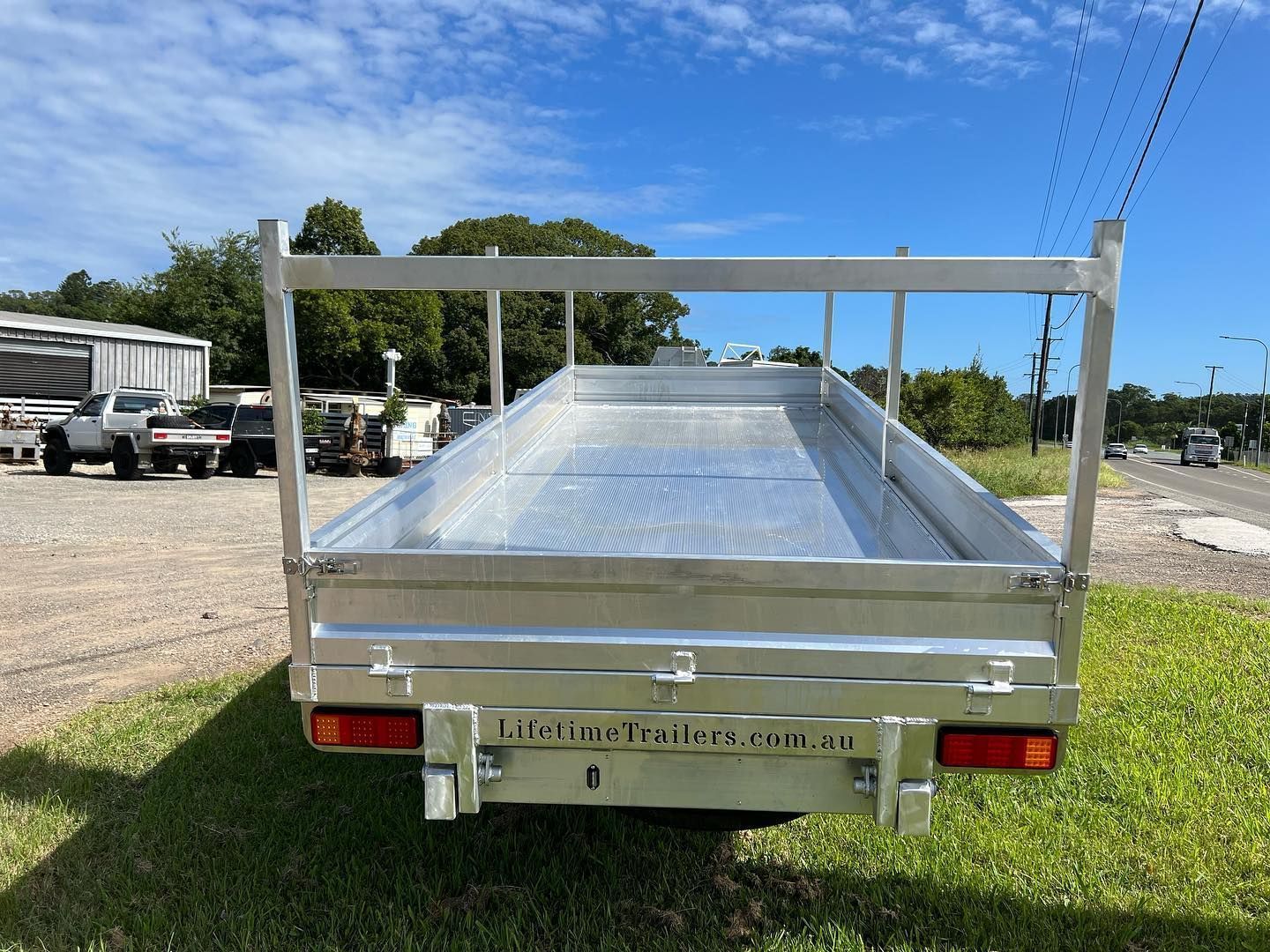
Let's look into the details of aluminium and steel trailers, compare the benefits of both materials and highlight the personalised trends in trailer design.
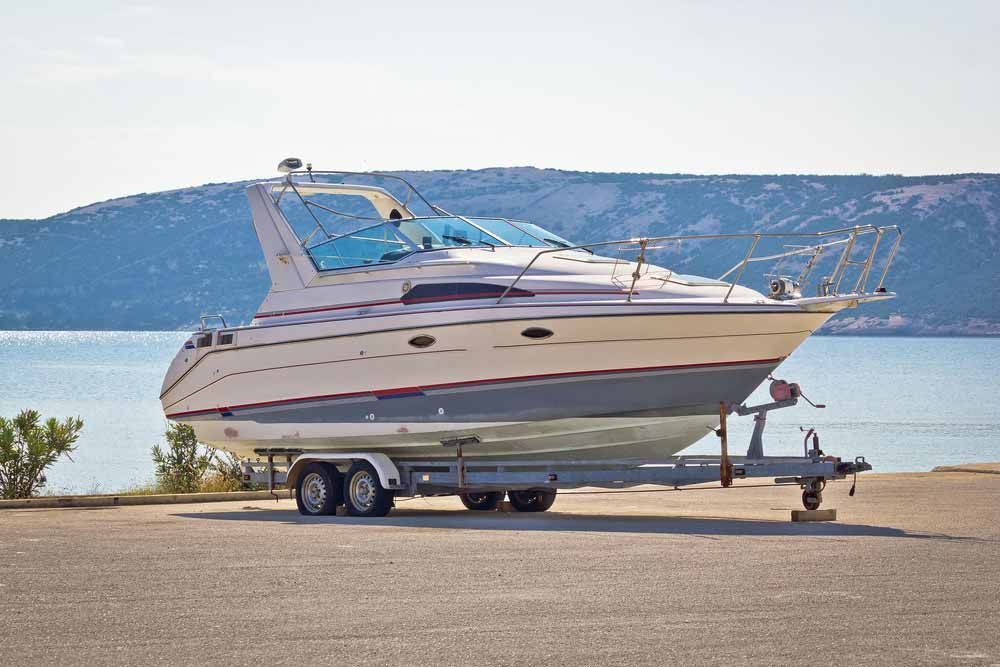
With range of boat trailer options available, making the right choice can be daunting. Read on for key considerations to help you make an informed decision.
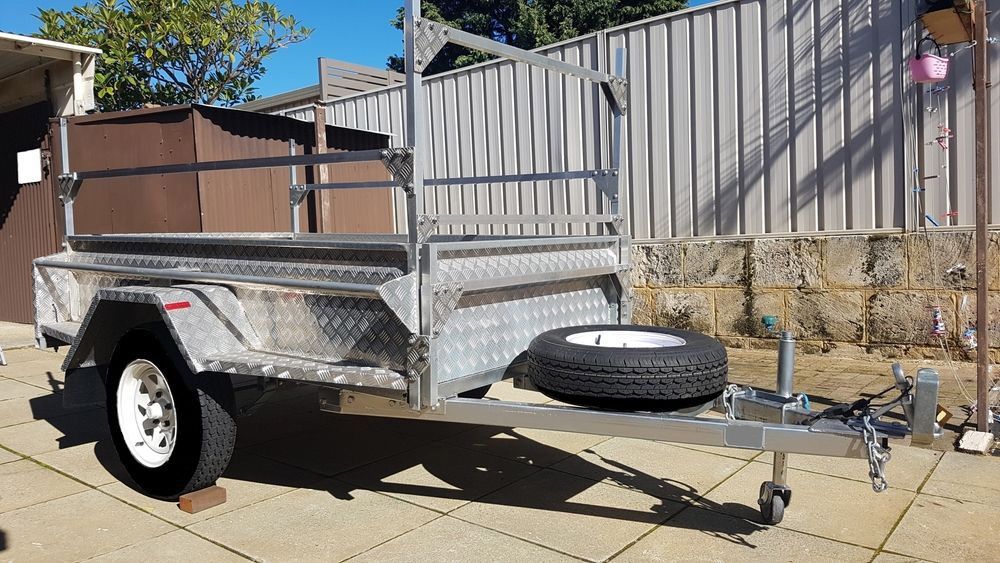
When considering the design of a custom trailer, the choice of construction material is an important factor that often goes unnoticed. Read on to learn more!



